Why Ethical Sourcing Matters in the Pet Industry
When we started H&N Homestead, ethical sourcing wasn't something we added to our business plan because it sounded good for marketing, it was already at the heart of everything we do. The way we source our pet treats is rooted in the way we have always sourced our own food. I grew up around agriculture and the outdoors, including hunting and fishing. From a young age, I wanted to know the story behind my food. I wanted to know where it came from, how the animals were raised, and whether they were cared for properly. As H&N grew, it felt completely natural to carry those same values into the pet industry. We believe our pets deserve food and treats with a story we can stand behind.
What Does Ethical Sourcing Actually Mean?
The words “ethically sourced” are everywhere in the pet industry, but those words can mean very different things depending on who you ask. To us, ethical sourcing means actually knowing where our products come from and knowing how the animals behind those products were treated. We don't want to simply know that an animal was raised for human consumption or that a facility was USDA inspected. Those things can tell us certain information, but they don't tell the whole story. We want to know the farmer, see the animals, understand their husbandry practices, and see the care they receive for ourselves.
When we visit a farm, we pay attention to much more than just whether the animals have food, water, and shelter. We watch how the farmer handles the animals and how the animals respond to them. We look at their living conditions, their food and water, their overall appearance, and their demeanor around people. We also thoroughly inspect the animal parts we purchase. Feet and ears can tell you a surprising amount about an animal's care. Dirty animals, dirty food or water, poor handling, or animals that are visibly terrified of people are all major red flags for us. If we aren't satisfied with what we see, we walk away.
“Ethically Sourced” Should Mean More Than a Label
One of our biggest concerns in the pet industry is the lack of transparency surrounding where products actually come from. A company may purchase an ingredient from a supplier, who purchased it from another supplier, who sourced it from somewhere else. By the time that ingredient becomes a finished pet treat, the company selling it may have very little knowledge about the animal behind it.
We believe consumers deserve better than that. If a company says a product is ethically sourced, it is completely reasonable to ask what that means. Where did the animal come from? Who raised it? How was it raised? What did it eat? Does the company actually know the answers to those questions? Being raised for human consumption does not automatically mean an animal was raised ethically. Being USDA inspected does not automatically tell you what an animal's life looked like. Those are important distinctions that often get lost when sourcing becomes a marketing term.
There is a huge transparency problem throughout the United States’ food system, and the pet industry is no exception. We don't think consumers should be afraid to ask difficult questions. In fact, we think they should. A company that genuinely knows and cares about its sourcing should be willing to talk about it.
Why We Choose Small Family Farms First
Supporting local agriculture has always been important to us. Many of the family farms we support prioritize rotational grazing and regenerative practices. They pay attention to the health of their animals, the health of their soil, and the land they will eventually pass on.
We also look at what animals are being fed. When possible, we prefer farms that use local feed mills instead of relying solely on large commercial feed systems. These details matter because ethical sourcing isn't just about where something was purchased. It is about understanding the entire system behind it.
At the same time, we want to make something very clear: local does not automatically mean ethical. There are good and bad people everywhere. A farm being close to home doesn't guarantee that animals are treated well, just as a farm being larger doesn't tell you everything you need to know. That's why we don't simply put “locally sourced” on a label and call it a day. We build relationships, visit farms, ask questions, and pay attention to what we see.
We Are Willing to Walk Away
For us, animal care will always matter more than business growth. We would rather have a product out of stock than purchase from a source where we don't believe the animals were treated well, or we can’t verify how they are treated. That might not always be the best business decision, but it is the decision we are comfortable making.
There are plenty of opportunities to buy animal parts in bulk from large suppliers. It would probably be easier and more convenient for us to do so. But convenience isn't our priority. We don't want to build H&N Homestead by buying from anonymous suppliers and hoping the animals behind the products were treated well. We want to know their story.
That means sometimes a product isn't available because we haven't found the right source. Sometimes we have to wait. Sometimes we say no. We are okay with that. We believe the animals deserve that level of consideration, even when it means making things harder for ourselves.
Respecting the Whole Animal
Ethical sourcing also means respecting the animal that gave its life. We believe in utilizing as much of the animal as humanly possible rather than treating certain parts as worthless simply because they aren't commonly eaten by people.
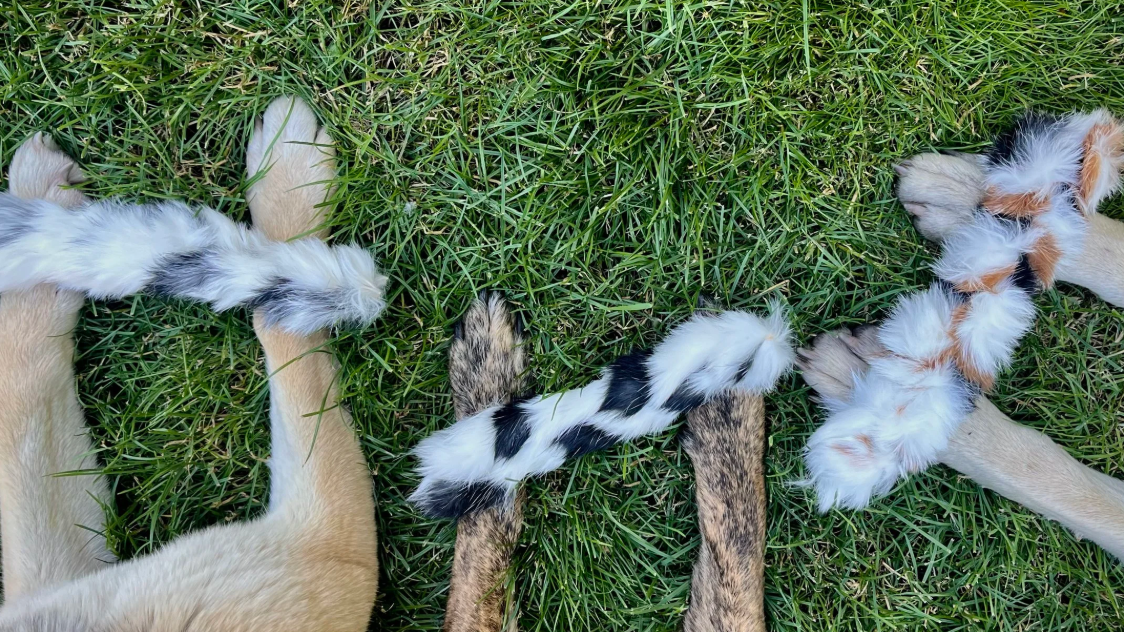
Many of the products we sell are parts that humans don't typically purchase for their own meals. Rabbit feet, ears, tails, hides, organs, quail parts, and other animal parts can all have value as nutritious pet treats and chews. At large processing facilities, these parts may still be collected and rendered into other products, including animal feed ingredients. However, rendering and processing can change the nutritional value and eliminate some of the benefits these whole animal parts naturally provide.
For us, using these parts is another way of showing respect. If an animal was raised and ultimately gave its life to provide food, we don't want more of that animal to go to waste simply because it isn't a traditional cut of meat. We want to find meaningful uses for as much of it as possible.
Ethical Sourcing and Sustainability Go Hand in Hand
We also believe ethical sourcing and sustainability are closely connected. Caring about animals means caring about the land that supports them. We want to support farmers who aren't simply taking from the land, but are actively working to improve it.
Regenerative and rotational grazing practices can help build healthier soils while providing animals with pasture. Paying attention to native plants and wildlife matters, too. We admire farmers who notice what is living around them and make decisions that protect the ecosystems they are part of.
Our goal is to give more back to the land than we take from it. That doesn't mean we believe every farm has to look exactly the same. It means we want to support people who are paying attention, asking questions, and working toward a healthier relationship between agriculture, animals, and the land.

We Wish More People Would See the Animal Behind the Treat
We understand that talking about where pet treats come from can make people uncomfortable. These products come from real animals. They had faces. They had personalities. They experienced the world around them.
We actually think that's something worth acknowledging.
We wish more pet owners felt brave enough to see the cute faces behind the meat that feeds them and their pets. Not because we want people to feel guilty, but because we believe understanding where food comes from creates a deeper appreciation for the animal that provided it.
Animal agriculture does not have to look like a picture of frightened, dirty animals living in poor conditions. It can also look like animals moving across green pastures, farmers who know their animals individually, healthy livestock being cared for properly, and families who take pride in the land they work.
There is a much bigger story behind the food in your pet's bowl than the label on the package.
What Should Pet Owners Ask About Their Treats?
You don't have to know everything about agriculture to make better purchasing decisions. Start by asking questions. Ask where the animal came from. Ask whether the company knows who raised it. Ask how the animals were raised and whether the company has actually visited the farm or source.
If a company uses the phrase “ethically sourced,” ask them what that means. If they can't answer, that's important information, too.
You can also look beyond words like “natural,” “premium,” “local,” and “ethical.” Marketing terms don't tell you nearly as much as transparency does. A company that genuinely knows its sources should be able to explain them.
And don't be afraid to ask for proof. At H&N, we are happy to share photos, videos, and information about where our products come from. We don't publicly share specific farm names because we want to protect the privacy of the families we work with, especially after experiencing people finding our page and harassing us. Protecting those families is part of our responsibility, too.
Our Promise to You
At the end of the day, ethical sourcing comes down to one simple idea for us: if we don't know where it came from or how the animal was treated, we don't want to sell it.
We aren't interested in putting a nice story on a package when we don't know whether it's true. We want to know the farmers behind our products. We want to see their animals. We want to understand their practices. We want to support small family agriculture, utilize as much of each animal as possible, and work with people who care about the land and animals as much as we do.
H&N Homestead was built around the idea of farm to dog bowl, but that phrase means more to us than simply shortening the distance between a farm and a pet treat. It means knowing the story along the way.
We hope you'll ask more questions, too. Ask the companies you buy from where their products come from. Ask how much they actually know about their sources. Ask what “ethical” means to them.
And when you're buying from us, we want you to know that those questions matter to us, too.
Because we don't just want you to buy our treats.
We want you to trust the story behind them.