Are Freeze Dried Dog Treats Better Than Dehydrated?
If you've been shopping for natural dog treats, you've probably noticed that some are labeled freeze dried while others are dehydrated. It's one of the most common questions we get, and the answer isn't as simple as saying one is always better than the other.
Both freeze-drying and dehydration (air-drying) are excellent ways to preserve dog treats without artificial preservatives. They each have their own benefits, and we actually use both here at H&N Homestead. The key is choosing the right preservation method for the right product.
What Are Freeze Dried Dog Treats?
Freeze-drying removes moisture from food while using very little heat. The food is first frozen, then placed under a vacuum where the ice turns directly into vapor instead of melting into water.
Because very little heat is involved, freeze-drying helps preserve the food's original nutrients, texture, and shape. The end result is a lightweight treat that's shelf stable while staying very close to its raw form.
Many freeze dried dog treats can also be rehydrated with water, making them a great option for dogs that prefer a softer texture.
What Are Dehydrated Dog Treats?
Dehydration is another natural preservation method that removes moisture, but it does so using low, steady heat over a long period of time.
As the moisture is slowly removed, the treats become firmer and chewier. This makes dehydration an excellent choice for products that are meant to last a little longer or provide a satisfying chew.
Just like freeze-drying, dehydration creates shelf-stable treats without the need for artificial preservatives when done properly.
Is Freeze-Drying Healthier Than Dehydration?
Both methods can produce incredibly healthy dog treats when you start with high-quality ingredients.
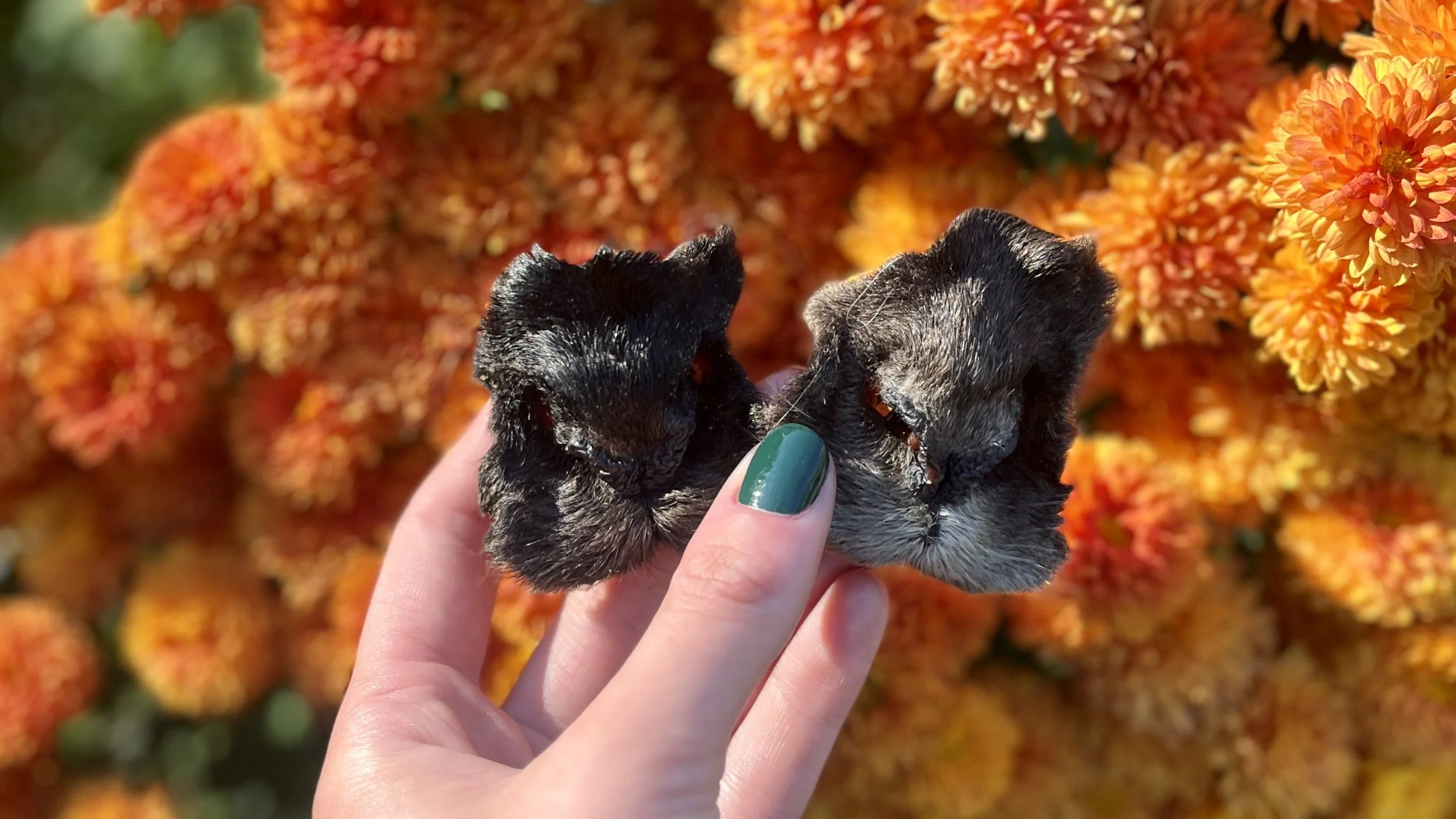
In our opinion, the ingredient itself matters far more than the preservation method. A single-ingredient rabbit ear is still a single-ingredient rabbit ear whether it's freeze-dried or dehydrated.
That said, freeze-drying preserves more of the food's original nutrients because very little heat is used during the process. Dehydration may result in some nutrient loss, but it's still considered one of the least processed ways to preserve natural dog treats.
For most dogs, both freeze dried and dehydrated treats can be healthy additions to a balanced diet.
Why We Freeze Dry Some Products and Dehydrate Others
This is where our approach is a little different. We don't choose one preservation method because it's always better. Instead, we choose the method that makes the most sense for each product.
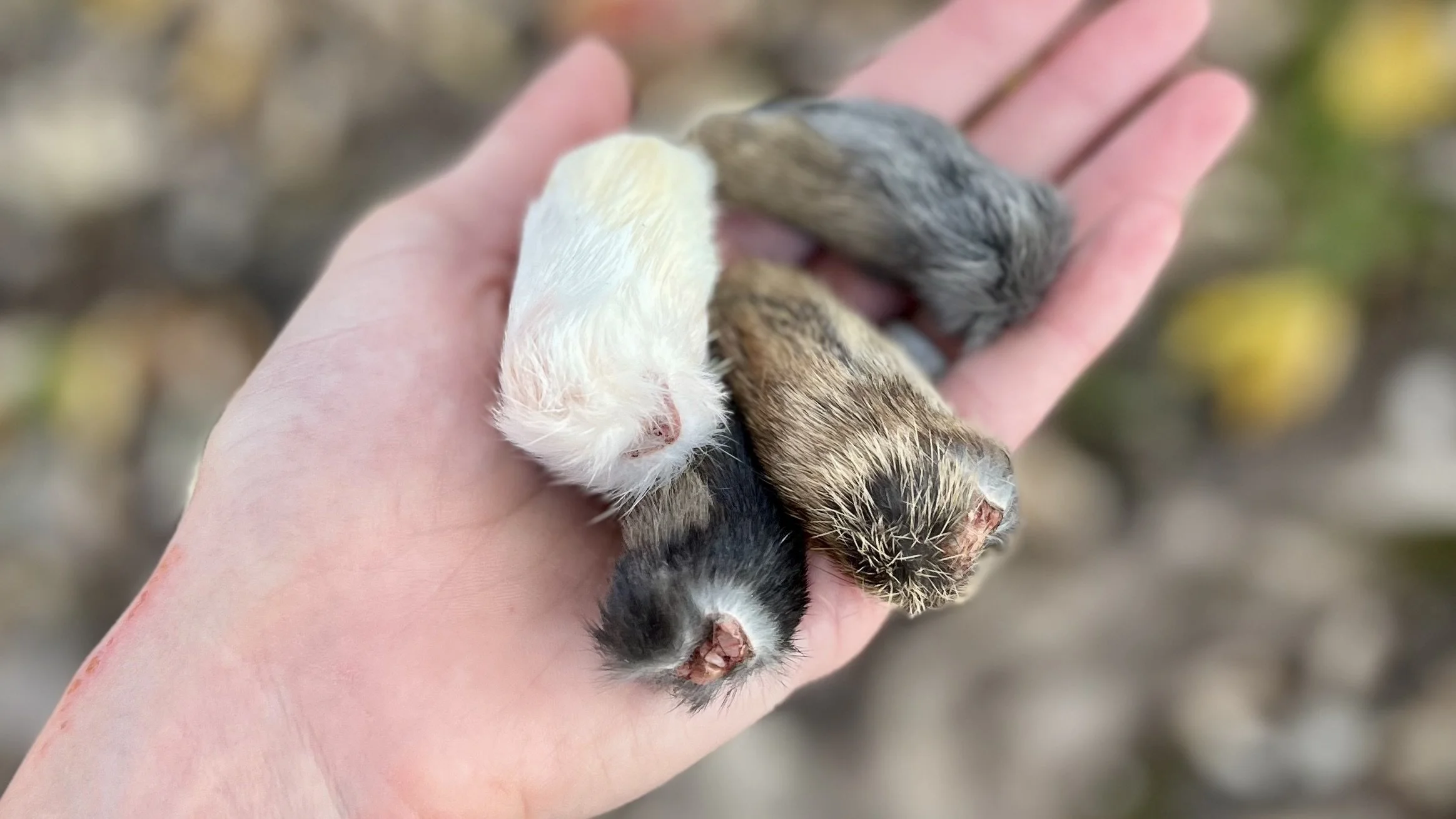
For example, our rabbit hide treats and dehydrated lamb lung develop a texture that dogs love through the dehydration process. They become durable, crunchy, and satisfying to chew.
On the other hand, products that contain bone are always freeze dried. We will never sell dehydrated bones. Freeze-drying allows us to preserve these products without using the heat involved in dehydration, which is why you'll only find freeze dried bones in our shop.
The same goes for products where we want to preserve as much of the original texture and nutrition as possible, like our freeze driede quail eggs and lamb organs.
At the end of the day, we just want to make the best treat we can. Sometimes that means freeze drying, and sometimes it means dehydrating.
Which Should You Choose?
If you're trying to decide between freeze dried and dehydrated dog treats, don't focus only on the label.
Instead, look at the ingredient list.
The best treats are made with real, single ingredients you can recognize. They shouldn't rely on fillers, artificial preservatives, colors, or flavorings to make them appealing.
Whether a treat is freeze-dried or dehydrated, choosing high-quality ingredients from a source you trust is what matters the most.
Our Final Thoughts
So, are freeze-dried dog treats better than dehydrated? Sometimes, yes. Sometimes, no.
Freeze-drying is an excellent choice for preserving nutrients and is the only method we'll use for products that contain bone. Dehydration creates incredible natural chews with textures that many dogs love.
That's why we use both.
Rather than choosing one process for everything, we choose the one that gives each product the best possible result. At the end of the day, our goal is simple: create natural, single-ingredient treats and chews we feel good about giving our own dogs every single day.